
7 Key Trends Shaping Online Shopping in Cyprus

Online Shopping in Cyprus: How Cross-Border E-Commerce Is Reshaping the Local Consumer Market
Online shopping in Cyprus has evolved from a convenience into a central part of everyday consumer behavior. As digital adoption accelerates across the island, local consumers are increasingly turning to cross-border e-commerce platforms to access wider product selections, competitive pricing, and global brands. This shift is not only redefining how Cypriots shop but also how businesses, investors, and facilitators like Aycom Investment approach digital commerce growth.
Cyprus occupies a unique position at the intersection of Europe, the Middle East, and international trade routes. This geographic advantage, combined with a digitally literate population, has created fertile ground for cross-border online shopping. Today, consumers in Cyprus are no longer limited by local inventory or physical retail boundaries. Instead, they engage with international marketplaces, European suppliers, and global logistics networks, transforming the structure of the local retail ecosystem.
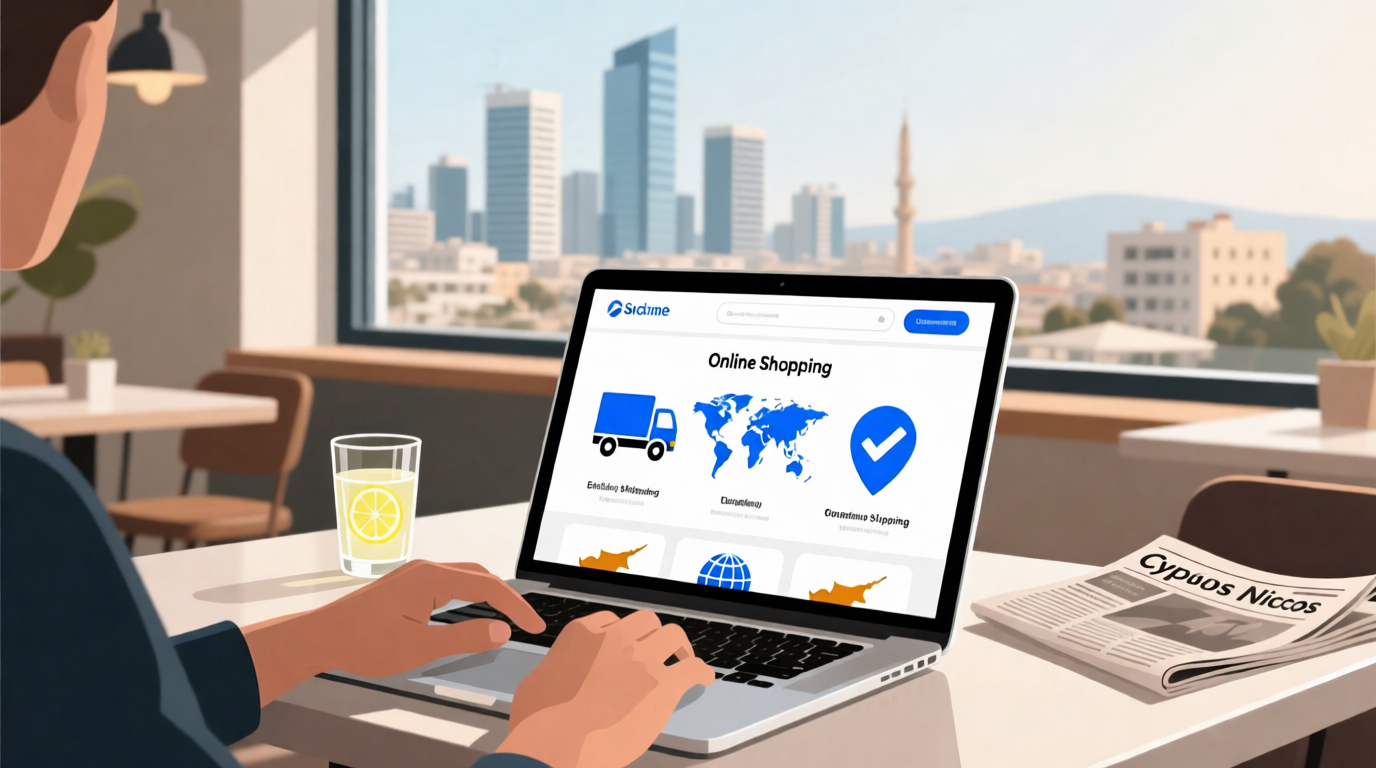
The Rise of Online Shopping in Cyprus
The rapid growth of online shopping in Cyprus has been driven by several interconnected factors. Increased internet penetration, widespread smartphone usage, and improved digital payment systems have lowered barriers for consumers entering the online marketplace. As trust in digital transactions has strengthened, shoppers have become more comfortable purchasing from both domestic and international platforms.
Another major driver has been consumer demand for variety. Cyprus, as a relatively small market, cannot always sustain niche products or specialized brands locally. Cross-border e-commerce bridges this gap, enabling consumers to access fashion, electronics, wellness products, and specialty goods that may not be readily available on the island. This access has fundamentally reshaped consumer expectations around choice, delivery speed, and price transparency.
Understanding Cross-Border E-Commerce in the Cypriot Context
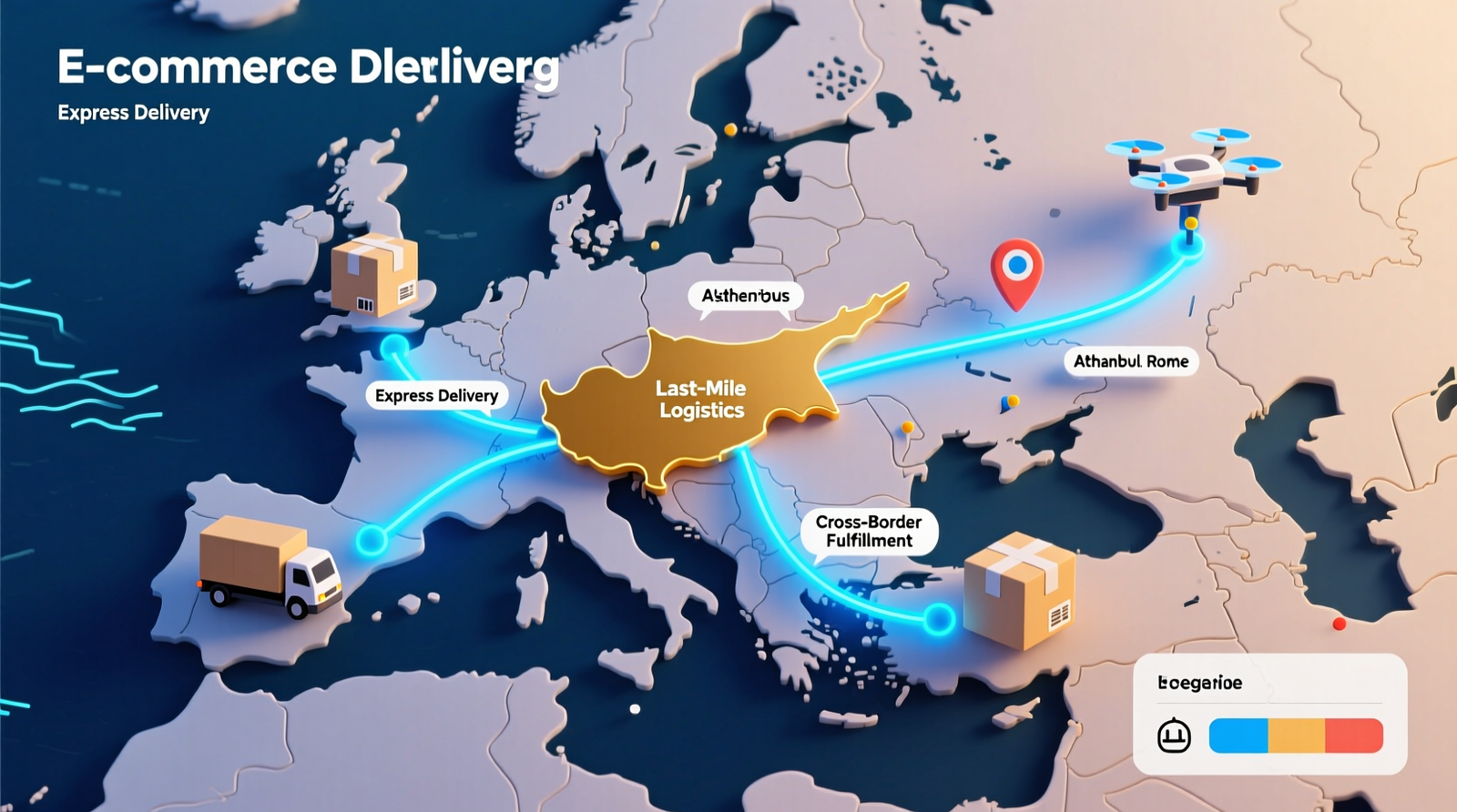
Cross-border e-commerce refers to online transactions where buyers and sellers are located in different countries. In Cyprus, this model plays a central role in the online shopping ecosystem. Consumers frequently purchase from European Union countries, the United Kingdom, and other international markets due to regulatory alignment, established logistics routes, and competitive pricing structures. EU e-commerce regulations
Membership in the European Union has further simplified cross-border online shopping in Cyprus. Harmonized regulations, consumer protection laws, and VAT frameworks have increased confidence among buyers. This regulatory clarity reduces friction and supports smoother transactions, making international online shopping feel almost as seamless as domestic purchases.
However, cross-border e-commerce also introduces complexities, including customs procedures, delivery timelines, and currency considerations. Successfully navigating these challenges requires structured strategies, reliable partners, and informed decision making. This is where experienced facilitators such as Aycom Investment play a critical role in strengthening the ecosystem.
Changing Consumer Behavior and Expectations

Cypriot consumers today are more informed, price conscious, and digitally savvy than ever before. Before completing an online purchase, shoppers compare prices across multiple platforms, read reviews, and assess delivery options. This behavior applies equally to local retailers and international sellers, creating a highly competitive environment.
Online shopping in Cyprus has also influenced expectations around speed and service quality. Consumers increasingly expect clear delivery timelines, transparent return policies, and responsive customer support. Cross-border platforms that meet these expectations gain loyalty, while those that fail risk losing trust quickly.
Additionally, sustainability and ethical considerations are becoming more visible in consumer decision making. Packaging practices, environmental impact, and brand transparency are gaining importance, particularly among younger demographics. These evolving preferences shape how cross-border e-commerce platforms position themselves within the Cypriot market.
Economic Impact of Cross-Border Online Shopping
The expansion of cross-border e-commerce has broader economic implications for Cyprus. Increased online spending supports logistics providers, payment processors, digital marketing agencies, and technology platforms. While some concerns exist around competition with local retailers, the overall impact is increasingly viewed as an opportunity rather than a threat.
Local businesses that adapt to the digital environment can leverage cross-border models to expand beyond Cyprus, reaching international customers and diversifying revenue streams. This outward expansion strengthens economic resilience and reduces reliance on purely domestic demand.
At the same time, international platforms entering the Cypriot market bring investment, infrastructure improvements, and knowledge transfer. When managed strategically, this dynamic contributes to long-term market maturity and sustainable growth.
Challenges Facing Cross-Border E-Commerce in Cyprus
Despite strong momentum, cross-border e-commerce in Cyprus is not without challenges. Logistics remains one of the most significant hurdles. Shipping costs, delivery times, and last-mile fulfillment can impact customer satisfaction, particularly for smaller or time-sensitive purchases.
Regulatory complexity is another area that requires careful navigation. While EU alignment simplifies many aspects, variations in VAT application, product compliance, and consumer rights across jurisdictions can create confusion for both buyers and sellers. Clear guidance and professional oversight are essential to mitigate these risks.
Cybersecurity and data protection also remain critical considerations. As online shopping volumes grow, so does the importance of secure payment systems and compliance with data privacy regulations. Maintaining trust is fundamental to sustaining consumer confidence in cross-border transactions.
Aycom Investment’s Role as a Facilitator of E-Commerce Growth

Aycom Investment plays a strategic role in supporting the development of online shopping in Cyprus by acting as a facilitator of e-commerce growth rather than a traditional market participant. Through market analysis, investment structuring, and strategic advisory services, Aycom Investment helps align international opportunities with local market realities.
By understanding consumer behavior, regulatory frameworks, and cross-border logistics, Aycom Investment supports initiatives that strengthen digital commerce infrastructure. This includes identifying scalable business models, supporting technology adoption, and encouraging partnerships between local and international stakeholders.
Aycom Investment’s approach focuses on long-term value creation. Rather than short-term market entry, the emphasis is on building sustainable e-commerce ecosystems that benefit consumers, businesses, and the broader economy. This perspective positions the company as a trusted partner in Cyprus’s digital transformation journey.
Opportunities for the Future of Online Shopping in Cyprus
The future of online shopping in Cyprus is closely tied to continued innovation and strategic collaboration. Advancements in logistics technology, including smarter warehousing and improved delivery tracking, will further enhance the cross-border shopping experience. At the same time, localized digital platforms that integrate international suppliers can create hybrid models tailored to Cypriot consumers.
Digital payments are also expected to evolve, with greater adoption of alternative payment methods and seamless cross-currency transactions. These developments reduce friction and encourage higher transaction volumes, particularly in cross-border scenarios.
From an investment perspective, e-commerce related infrastructure represents a growing opportunity. Warehousing, fulfillment centers, digital platforms, and analytics tools all contribute to the online shopping value chain. Strategic facilitation in these areas supports sustainable growth and market stability.
Building Trust and Long-Term Market Confidence
Trust remains the cornerstone of successful online shopping in Cyprus. Consumers must feel confident that products will arrive as described, payments will be secure, and disputes will be handled fairly. Cross-border e-commerce platforms that prioritize transparency and customer experience are best positioned to succeed.
Aycom Investment recognizes that trust is built through consistent standards, regulatory compliance, and professional governance. By supporting initiatives that uphold these principles, the company contributes to a healthier digital commerce environment where consumers feel protected and empowered.
Over time, this trust reinforces positive feedback loops. Satisfied consumers increase spending, businesses reinvest in quality improvements, and the overall market becomes more attractive to international partners.
Conclusion: A Digitally Connected Future for Cyprus
Online shopping in Cyprus is no longer a secondary retail channel. It is a core component of the consumer economy, deeply influenced by cross-border e-commerce dynamics. As digital adoption continues to rise, the integration between local consumers and international markets will only strengthen.
Navigating this landscape requires insight, structure, and strategic facilitation. Aycom Investment’s role as a facilitator of e-commerce growth positions it at the center of this transformation, supporting sustainable development while aligning global opportunities with local needs.
By embracing innovation, strengthening trust, and investing in scalable digital infrastructure, Cyprus is well positioned to thrive in the evolving world of online commerce. The continued growth of cross-border e-commerce will not only expand consumer choice but also contribute to a more connected, resilient, and future-ready economy.

 All products